


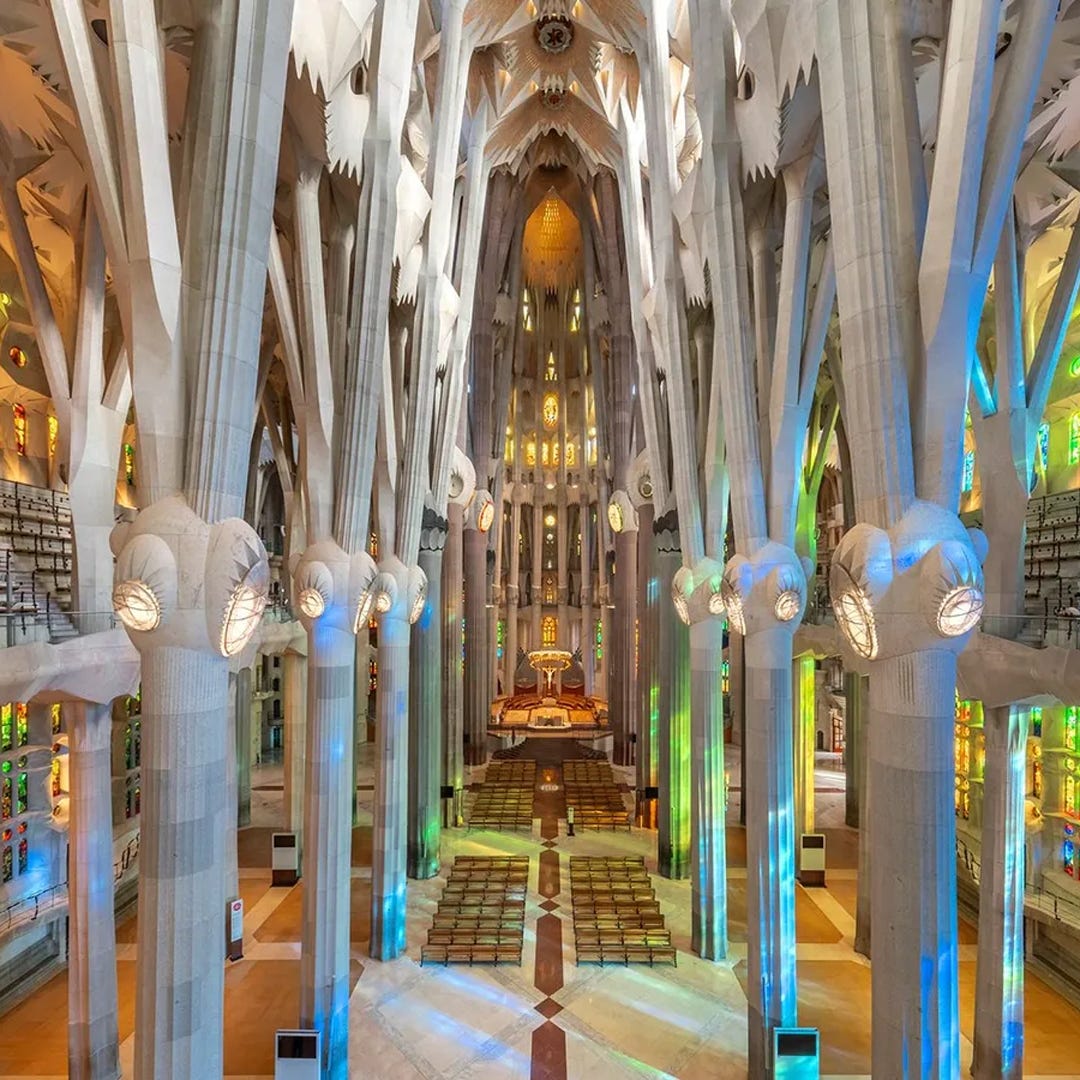
All eyes were on Barcelona recently as the Pope consecrated the central tower of Sagrada Familia, the architectural masterpiece designed by Antoni Gaudi. The talk was all about the genius of Gaudi and his unique style, inspired by nature and geometry with a touch of gothic romance. In Gaudi’s world straight lines are a no-no. Instead, columns are shaped like tree trunks and arches with organic curves replace flying buttresses. Structures repeat and overlap with a geometric rigour that bely their engineering ingenuity, whilst surfaces are richly decorated with ornaments and mosaics. Underlying the flamboyant appearance is a deep respect for nature and order, a philosophy that lends itself equally well to furniture and interior design.
Furniture designed by Gaudi himself, such as the Calvet Armchair and the Batllo Bench (now produced by Barcelona-based design furniture brand BD), look like fossilised skeletons of exotic space creatures.
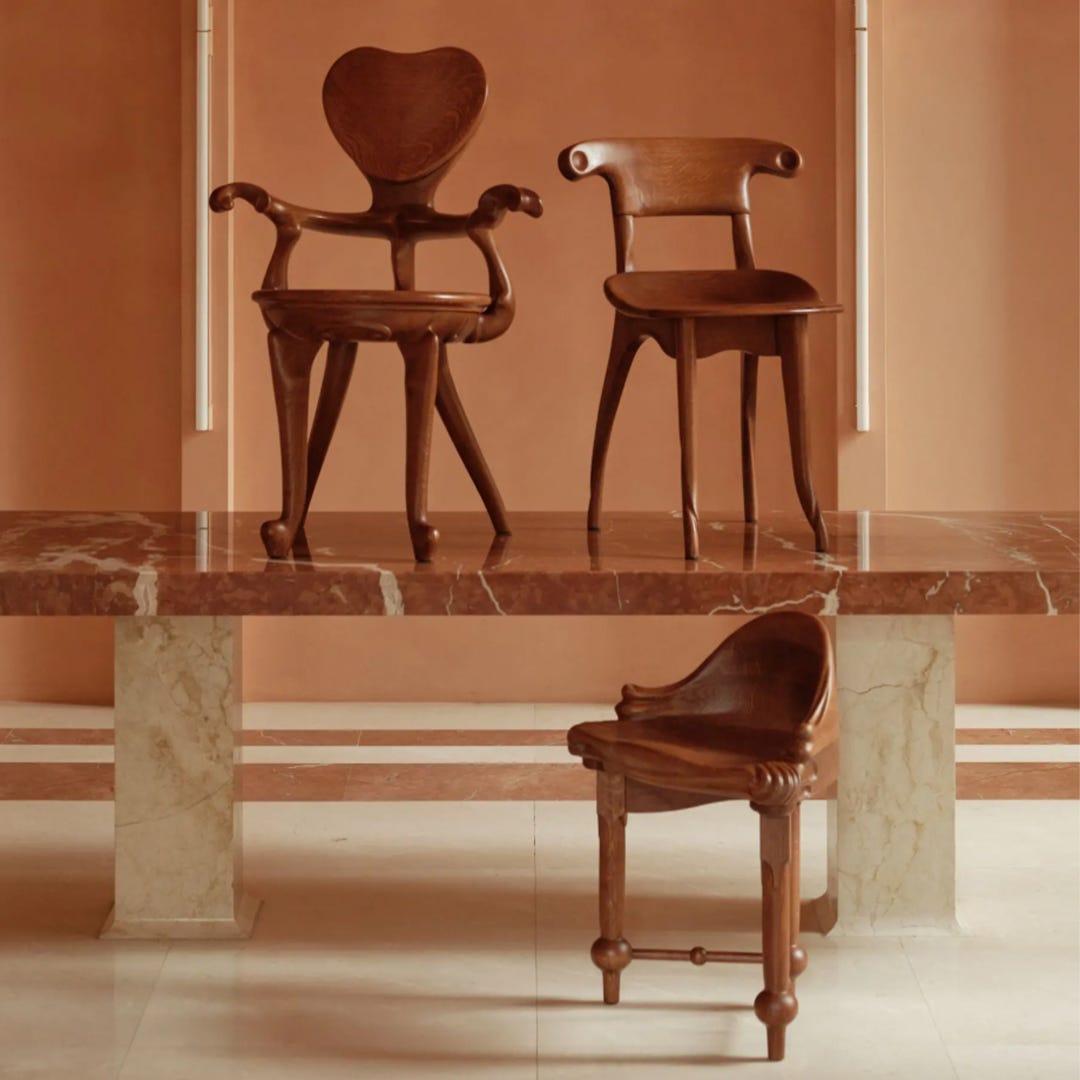
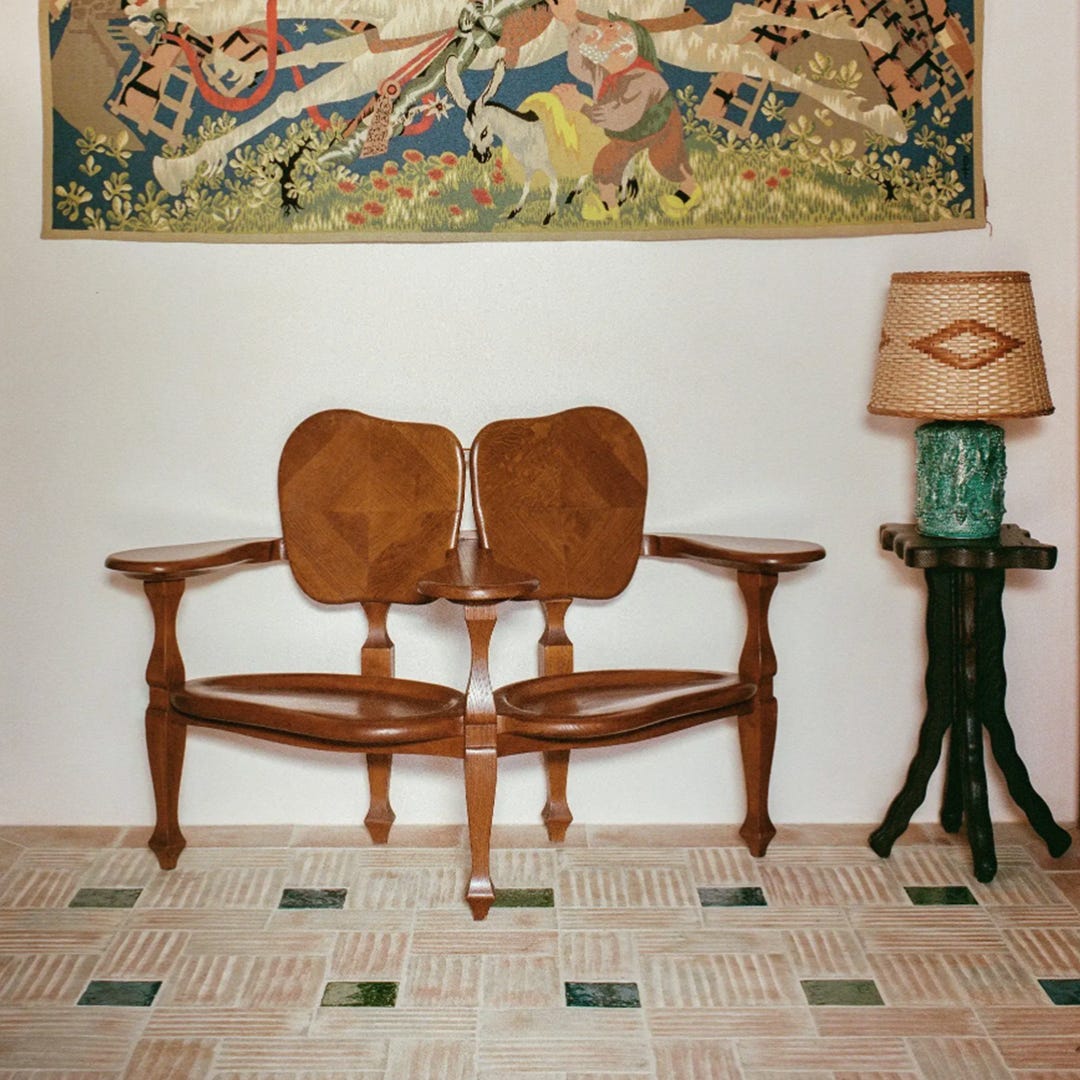
These are sculptural pieces with a heavy presence, best suited as centrepieces in formal living areas.
BD has been instrumental in keeping the design flames of Gaudi alive. Architect Oscar Tusquets, one of BD’s founders, created the Gaulino chairs and Carlinas tables in honour of the great man himself.
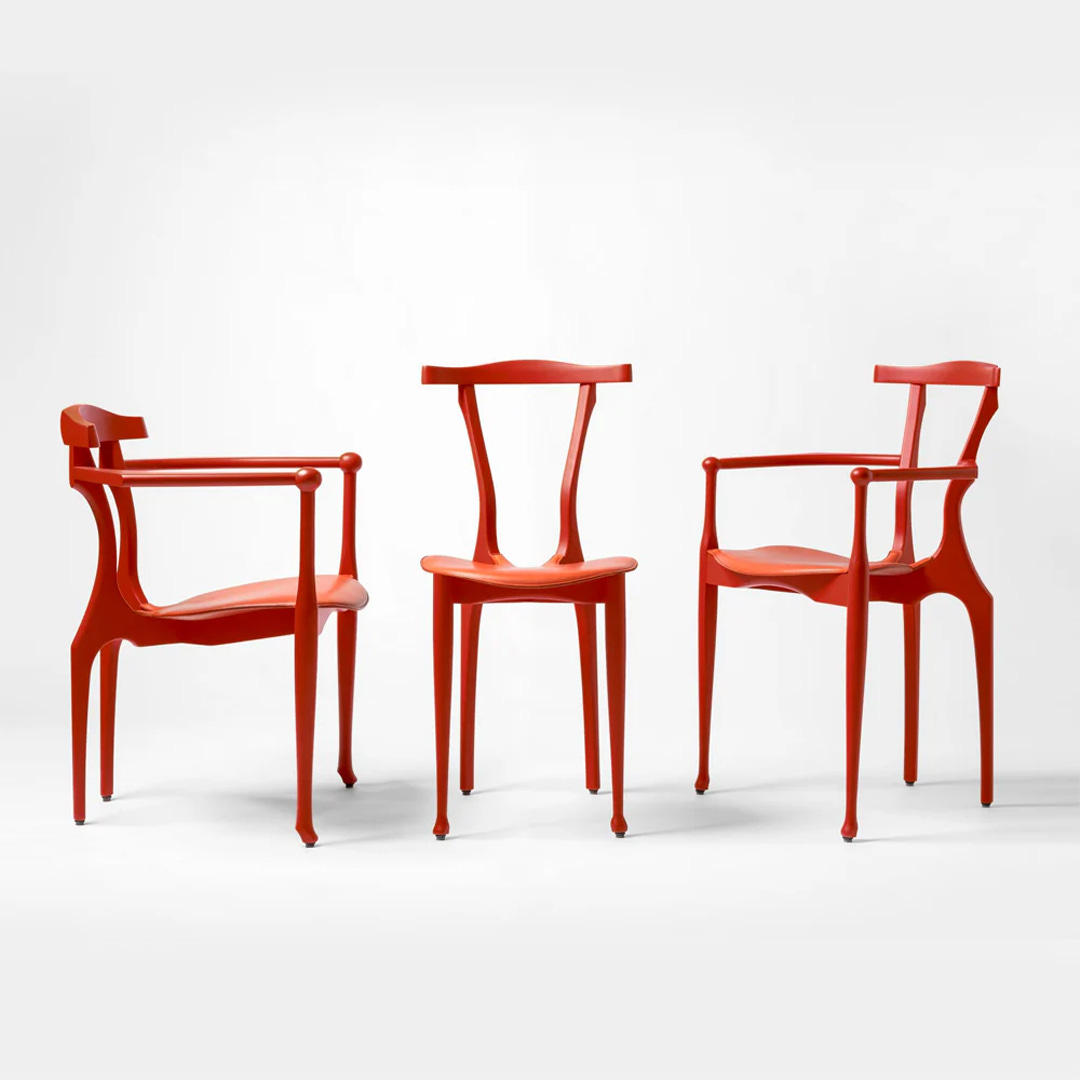
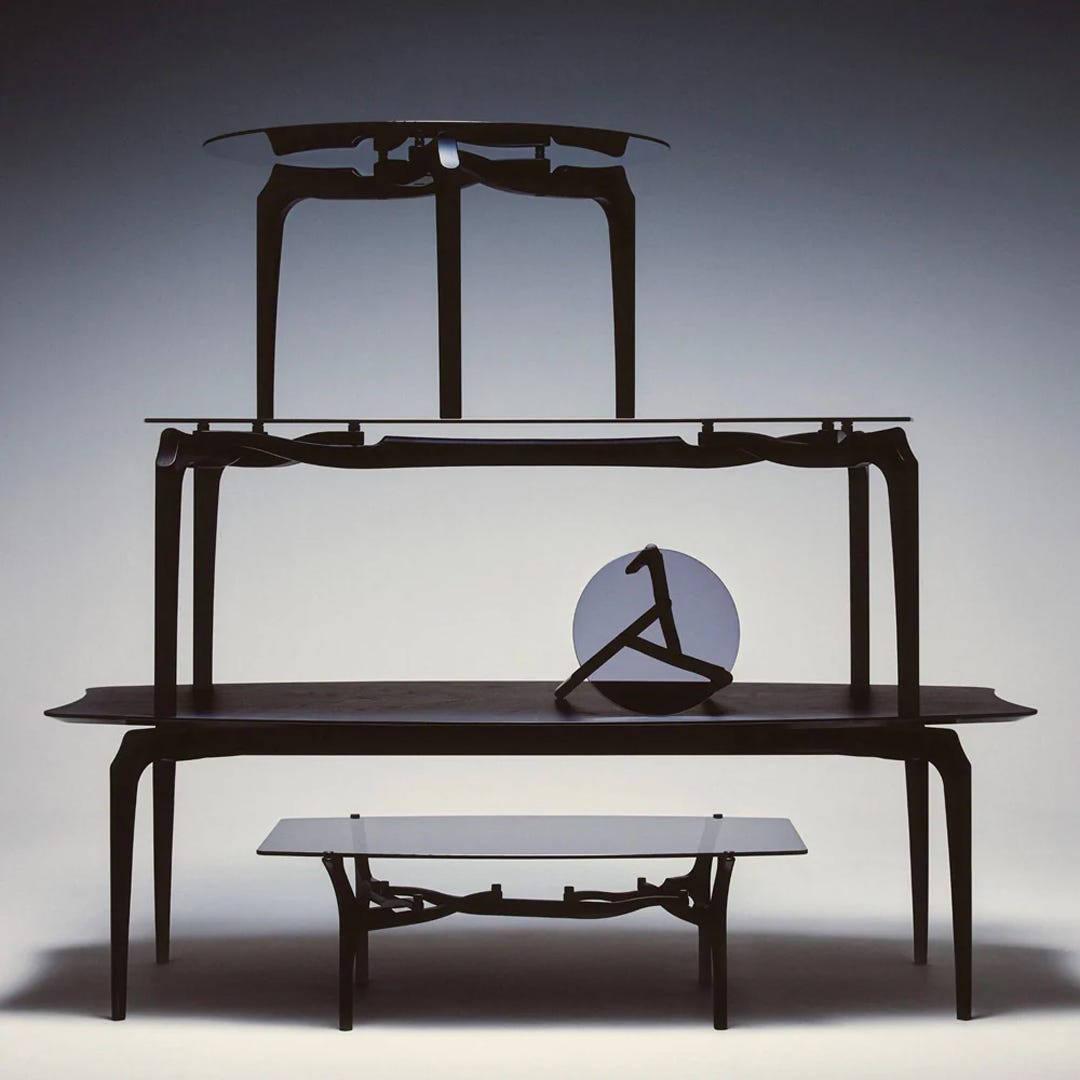
These feature the unmistakable organic structure of Gaudi’s designs but with a lighter, more streamlined look. They are excellent bridge pieces, adding a fresh contemporary dimension when paired with antique tables and chairs.
Like Gaudi, Dutch designer Joris Laarman is fascinated by the structural ingenuity of the natural world. He designed the Bone chair by using advanced computer simulation software to create the optimal support structure whilst using the minimum amount of material.
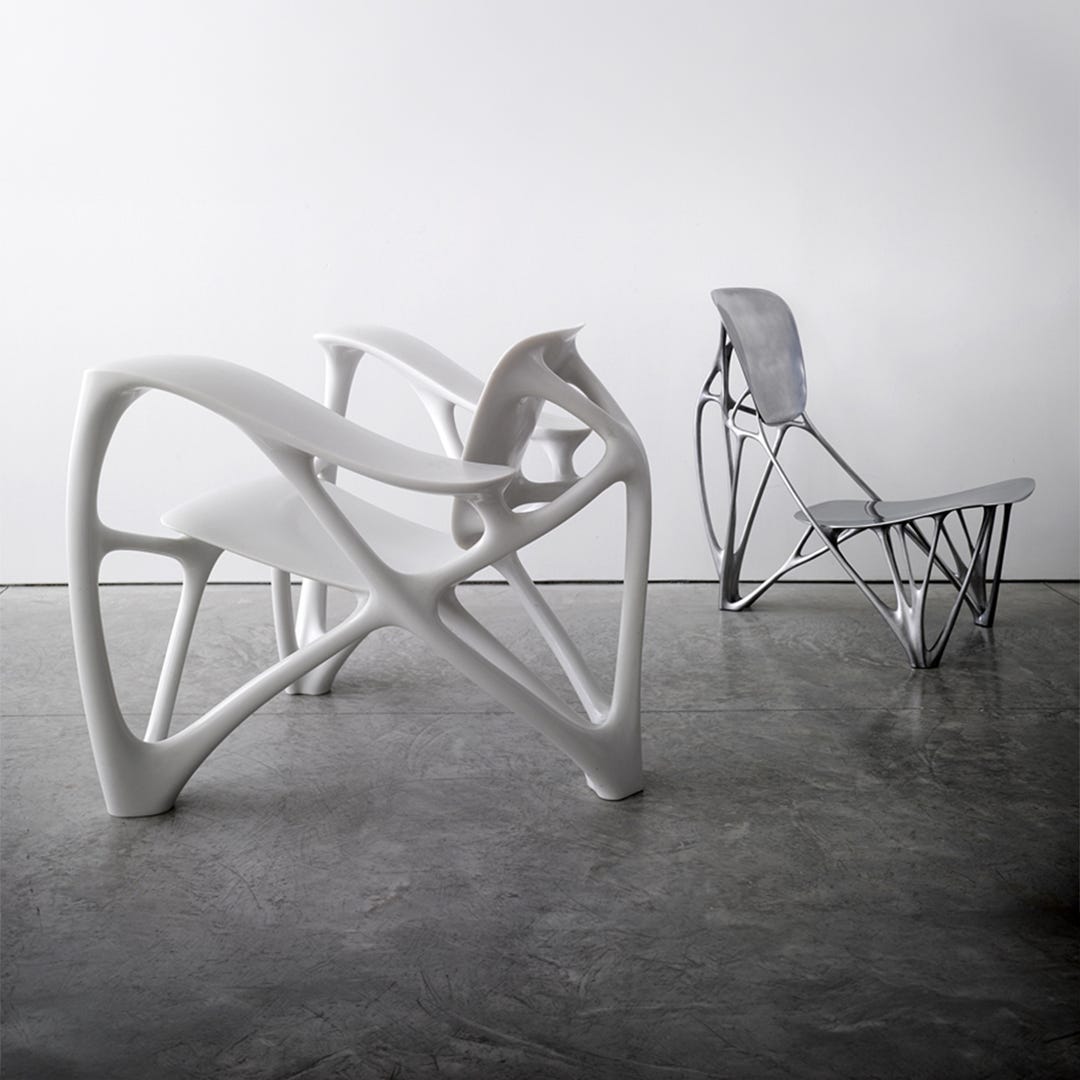
To Laarman’s surprise, the resulting chair looks distinctly organic and Gaudiesque.
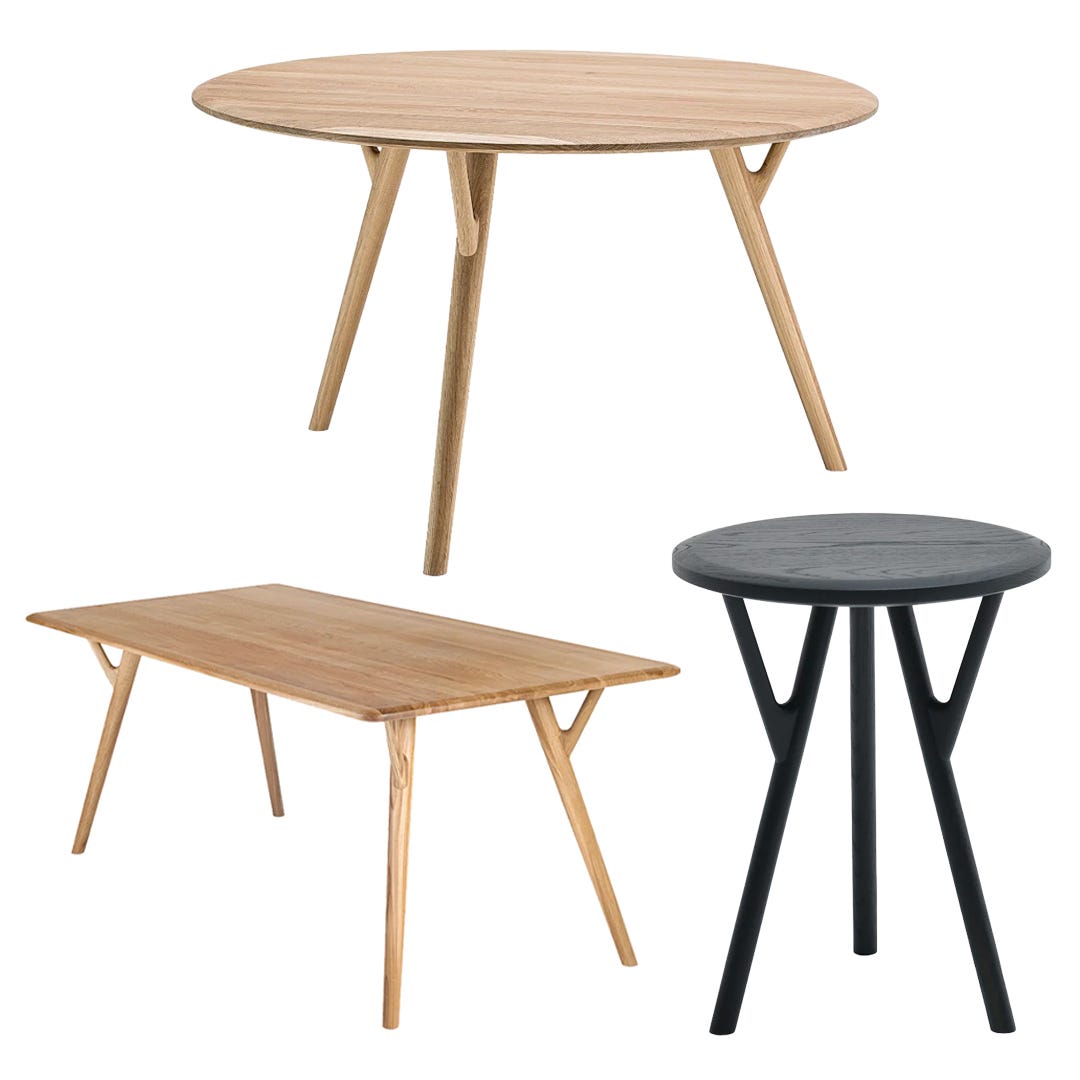
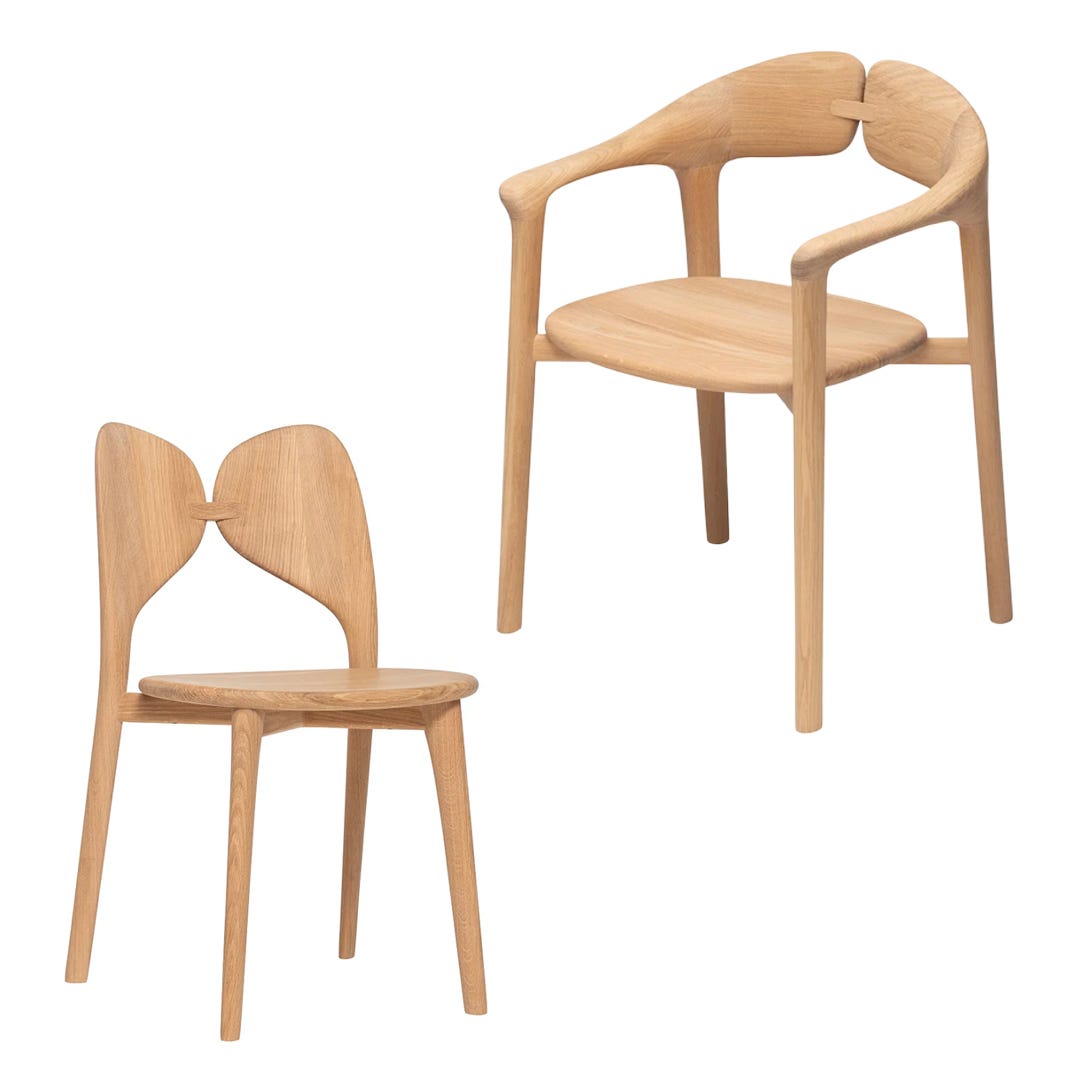
Unless you have the fat wallet of a major collector (Laarman’s works are in museum collections around the world), the Organic table and Lepida chair from Woak are budget-friendlier ways to introduce the same style to your home.
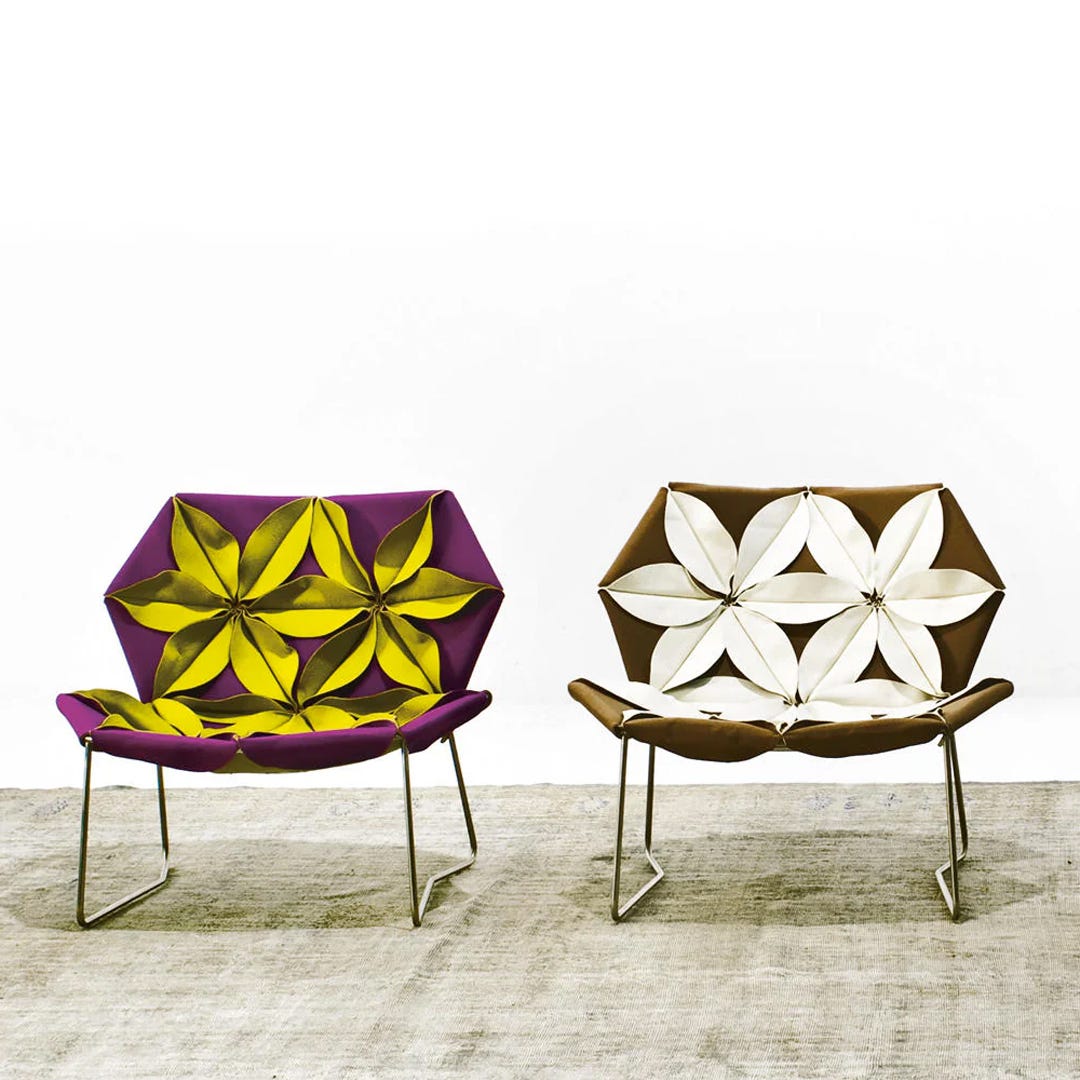
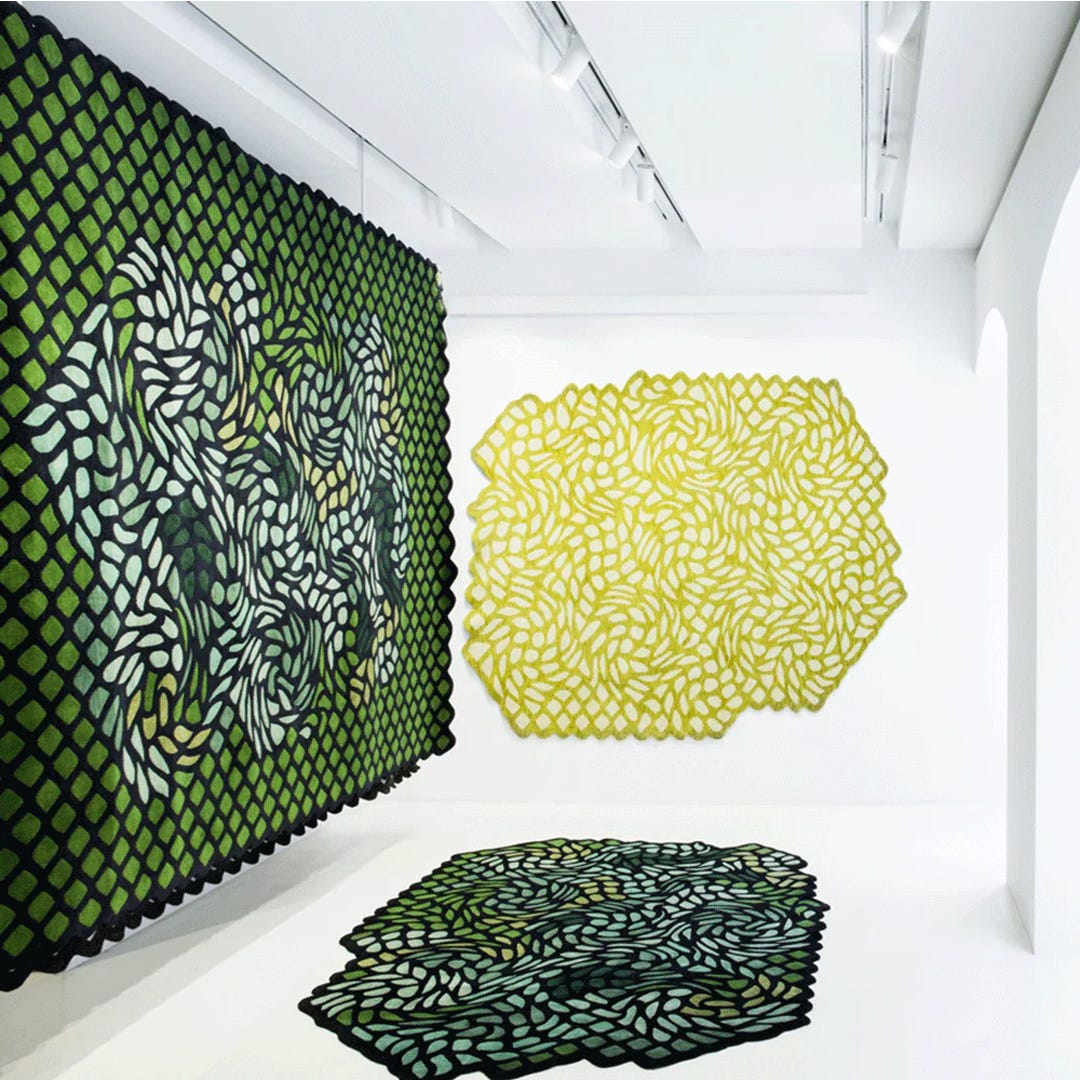
A defining feature of Gaudi’s designs is an exuberance of surface decoration and ornamentation, especially with colourful tiles and mosaics. These may look fantastical but are grounded in geometrical rigour, hinting at the influence of Islamic art and architecture. In the same spirit many contemporary designers are adept at using colours to create geometric patterns that reflect nature. Patricia Urquiola’s Antibodi chair for Moroso is a good example, as are rugs by India Mahdavi for Golran.
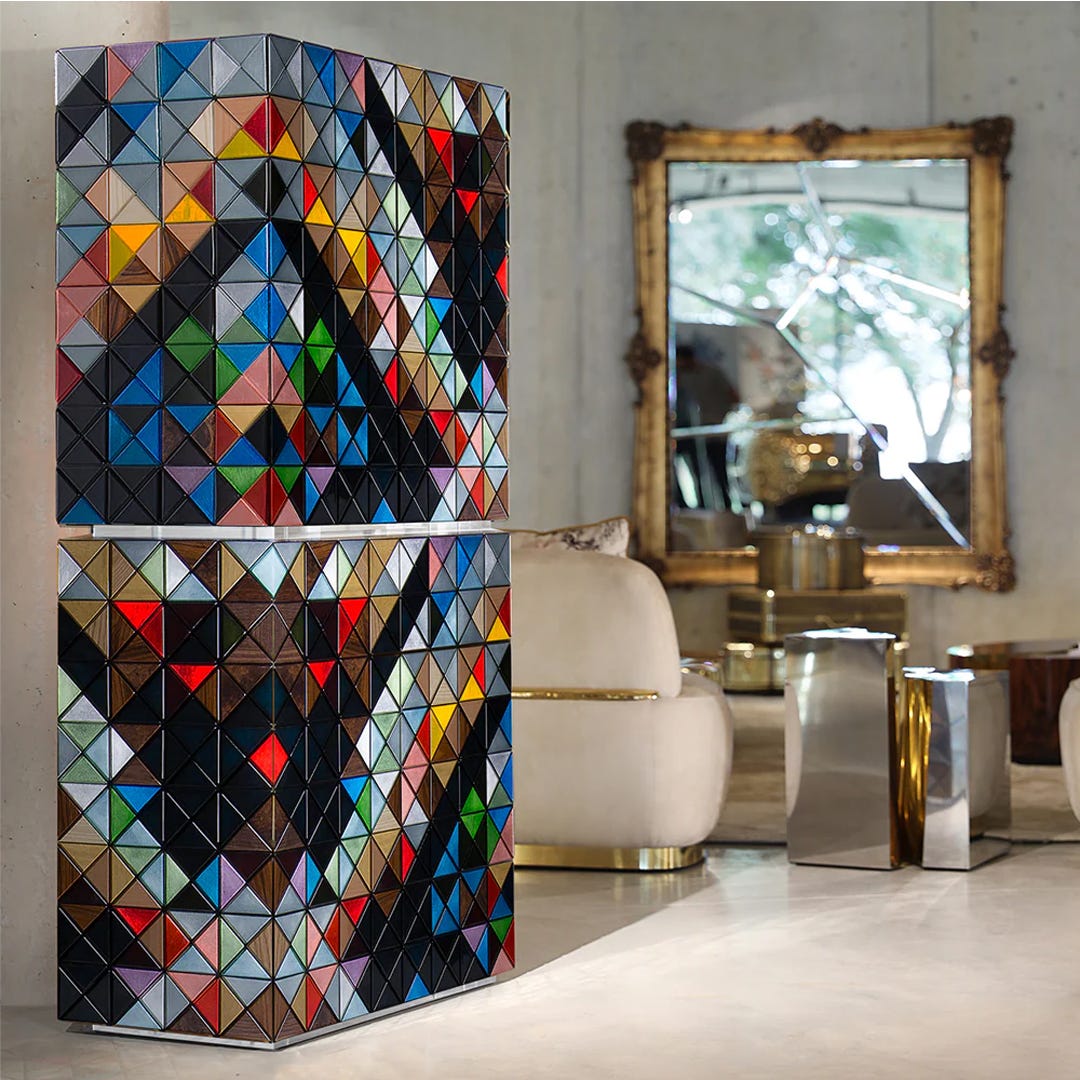
Gaudi also pioneered the trencadis technique of laying mosaics, using fragments of tiles, glass and other materials to create organic designs in vibrant colours. The Pixel cabinet from Boca do Lobo offers a contemporary spin on the same theme.
Taken separately, these elements in Gaudi’s works have crept into the design language of many contemporary designers. What makes Gaudi’s buildings and furniture unique is his fusion of these components to create a retro-futuristic vision of nature and people in harmony, a vision as other-worldly now as it was then.
For more fantastically inspiring designs come visit us at www.do-shop.com.
Great examples of combining an incredibly intricate and genius style with functionally 👍🏻