


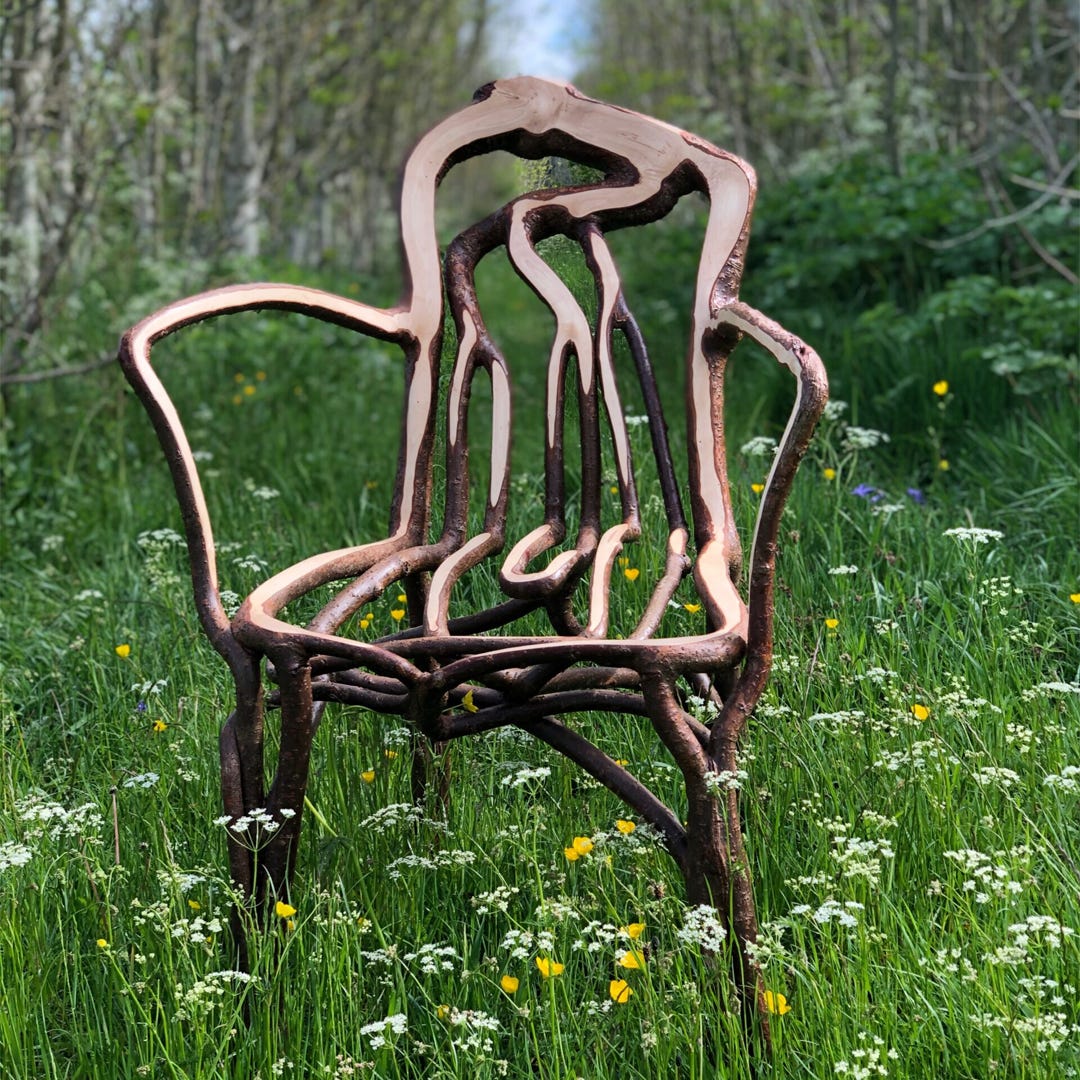
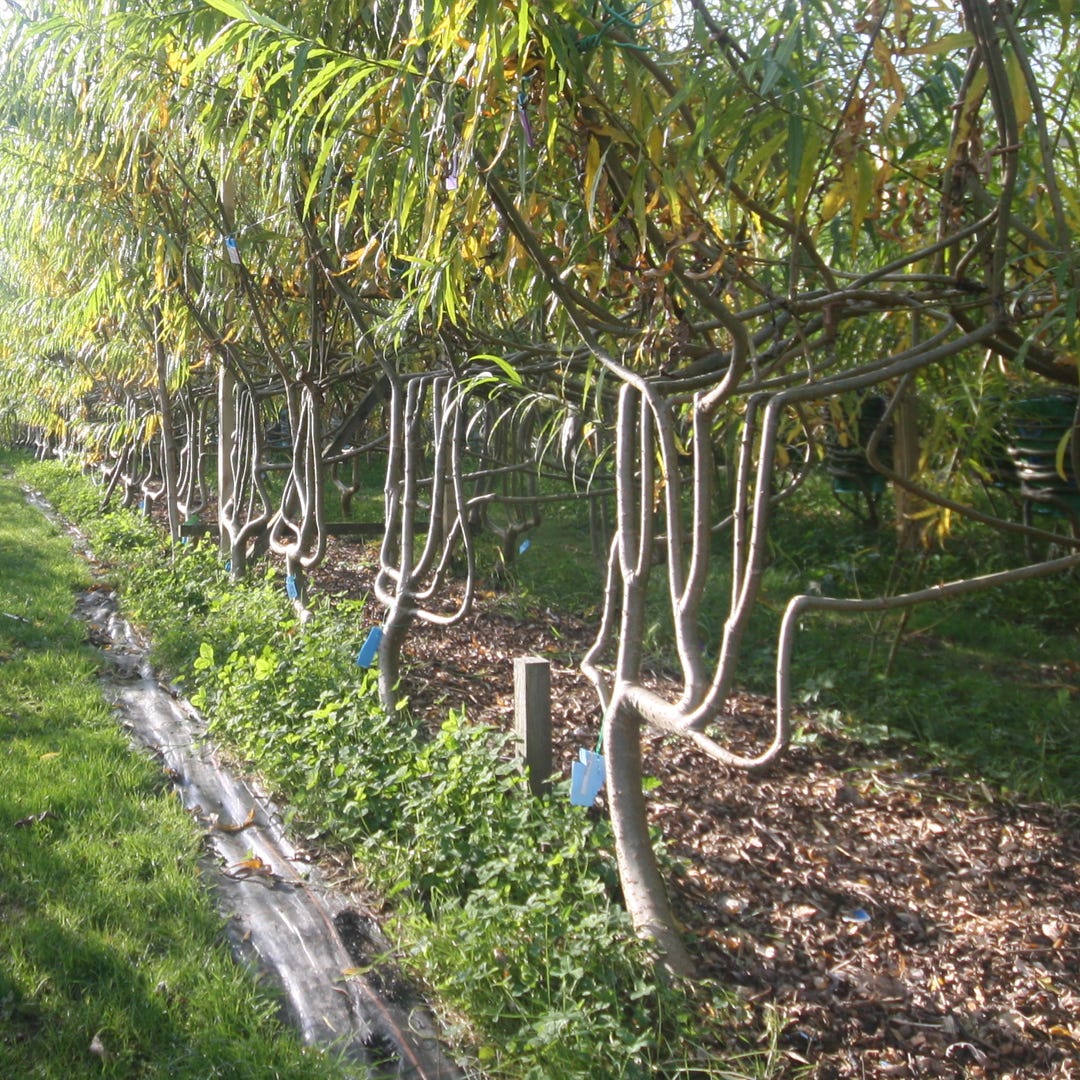
Can you really grow a chair or cultivate a lamp? I’ve written previously about the Full Grown collection of furniture, “manufactured” by trees that are manipulated into sprouting their trunks and branches into the shape of chairs.
Not to be outdone, designer Justin Wan has created GOURDO, a lamp “grown” from the luffa plant and mycelium.
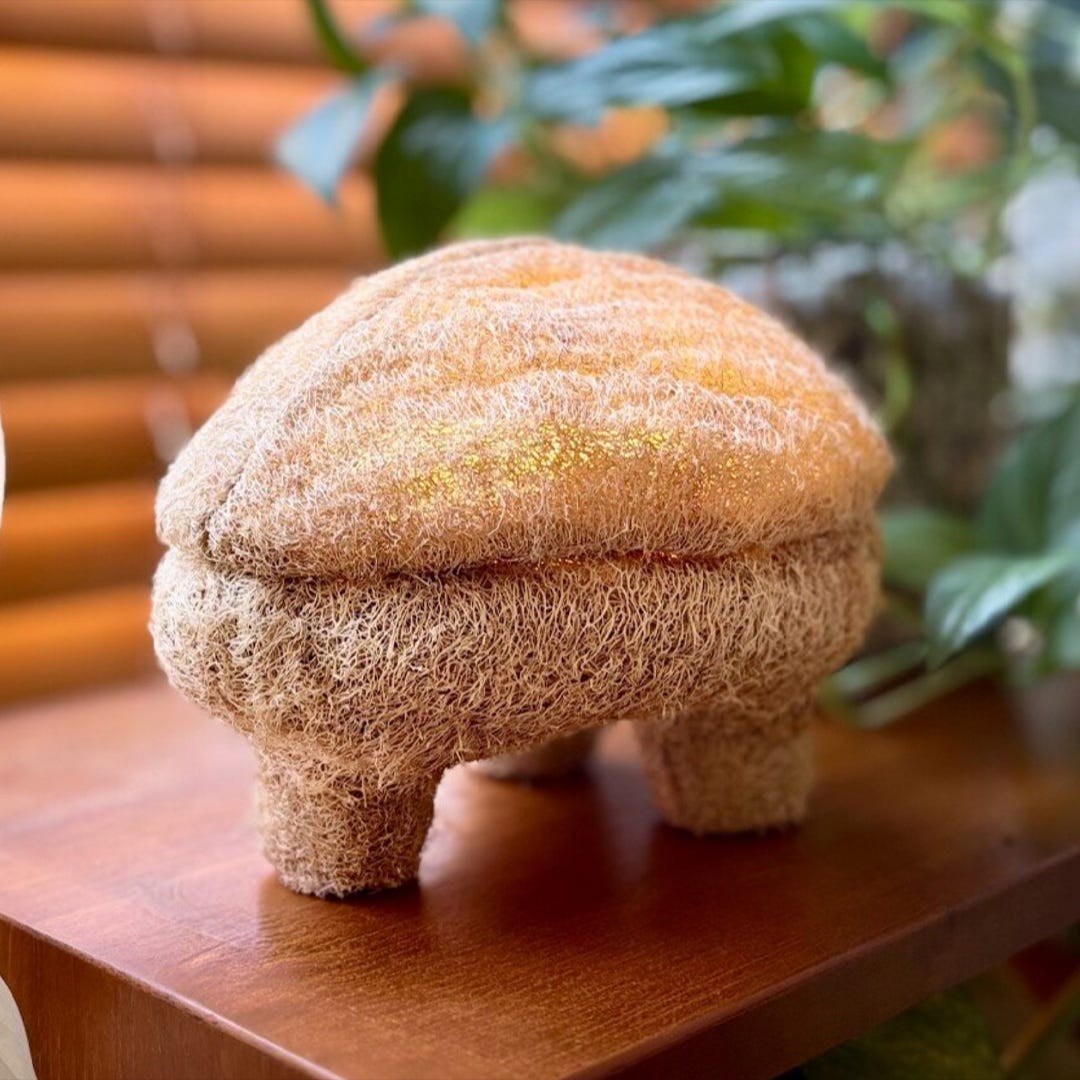
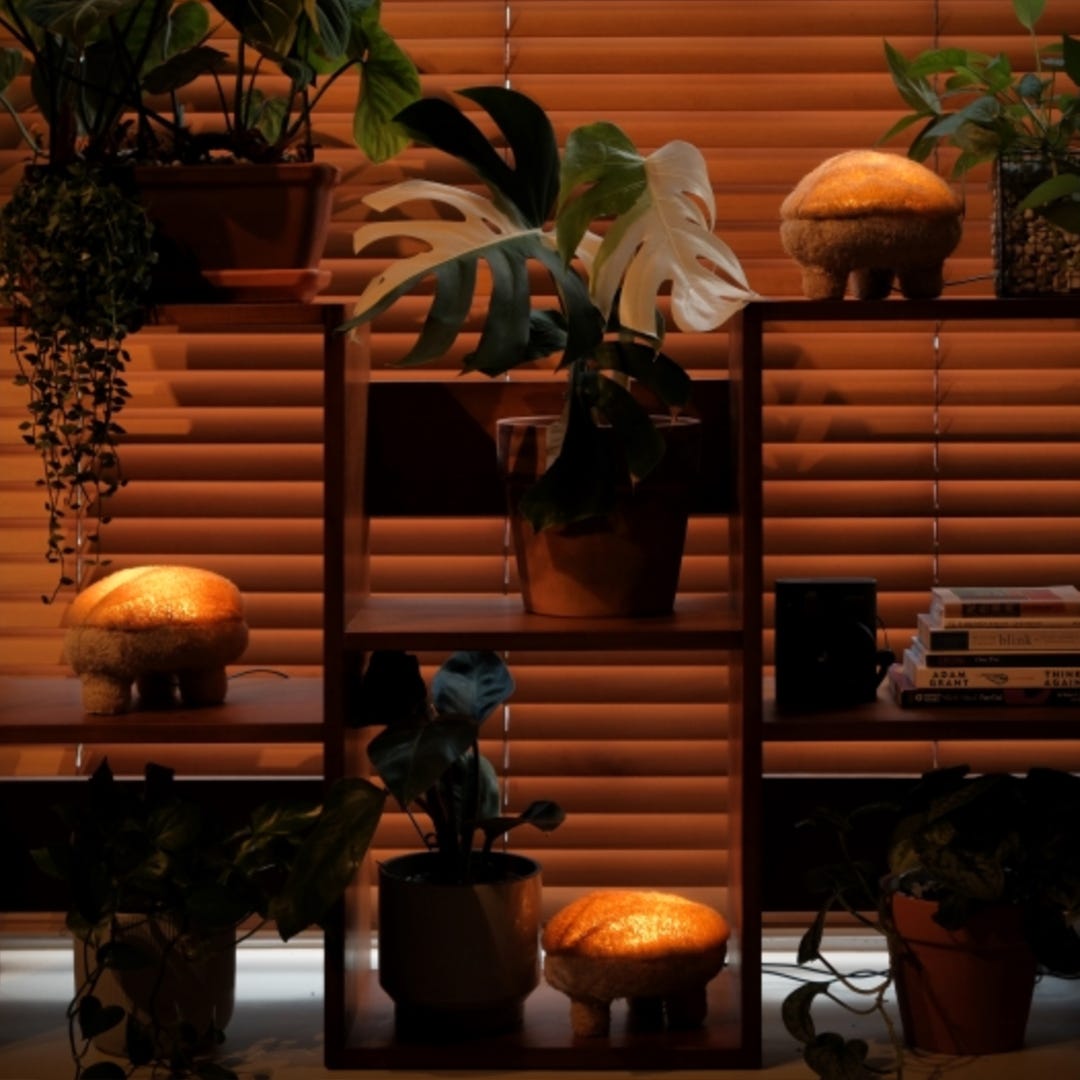
The tough inner core of the luffa is used as a structure to cultivate the mycelium, which bonds with the plant fibres to create a tough composite material. This forms the base of the lamp which houses the lighting element. The softer outer layer of the luffa plant is then used to create a shade that sits on the base, its fibrous structure casting a gentle, diffused glow. Since dried luffa plants are what loofah pads are made of, perhaps the lampshade could double up as a body scrub too.
If co-opting live plants into creating items of furniture sounds too much like exploitation, you could always go the conventional route and make stuff with dead plants instead. Wood is the obvious example here, but why stop at trees when there are so many other plants to choose from? The material of choice for Polish artist Paweł Grunert is wicker.
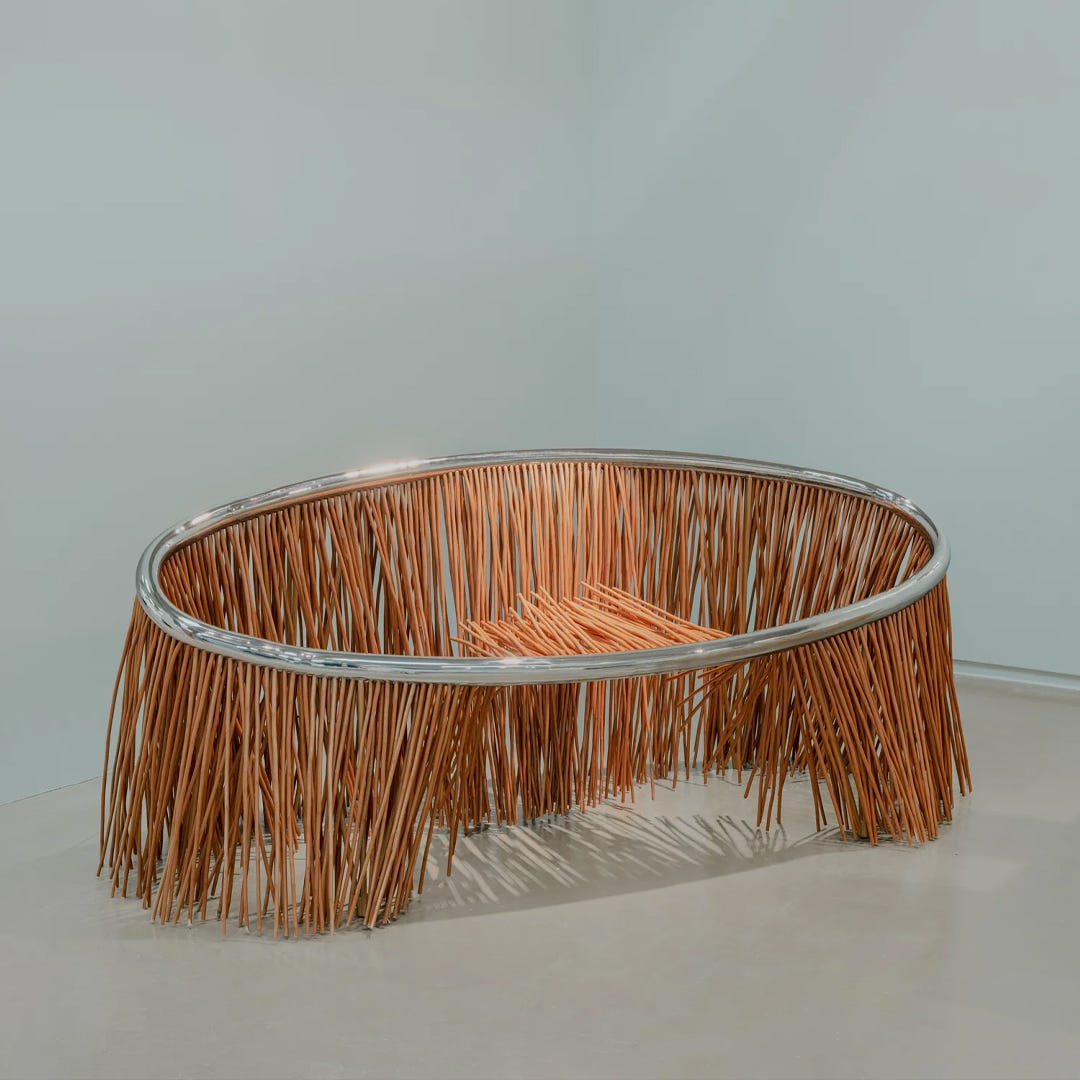
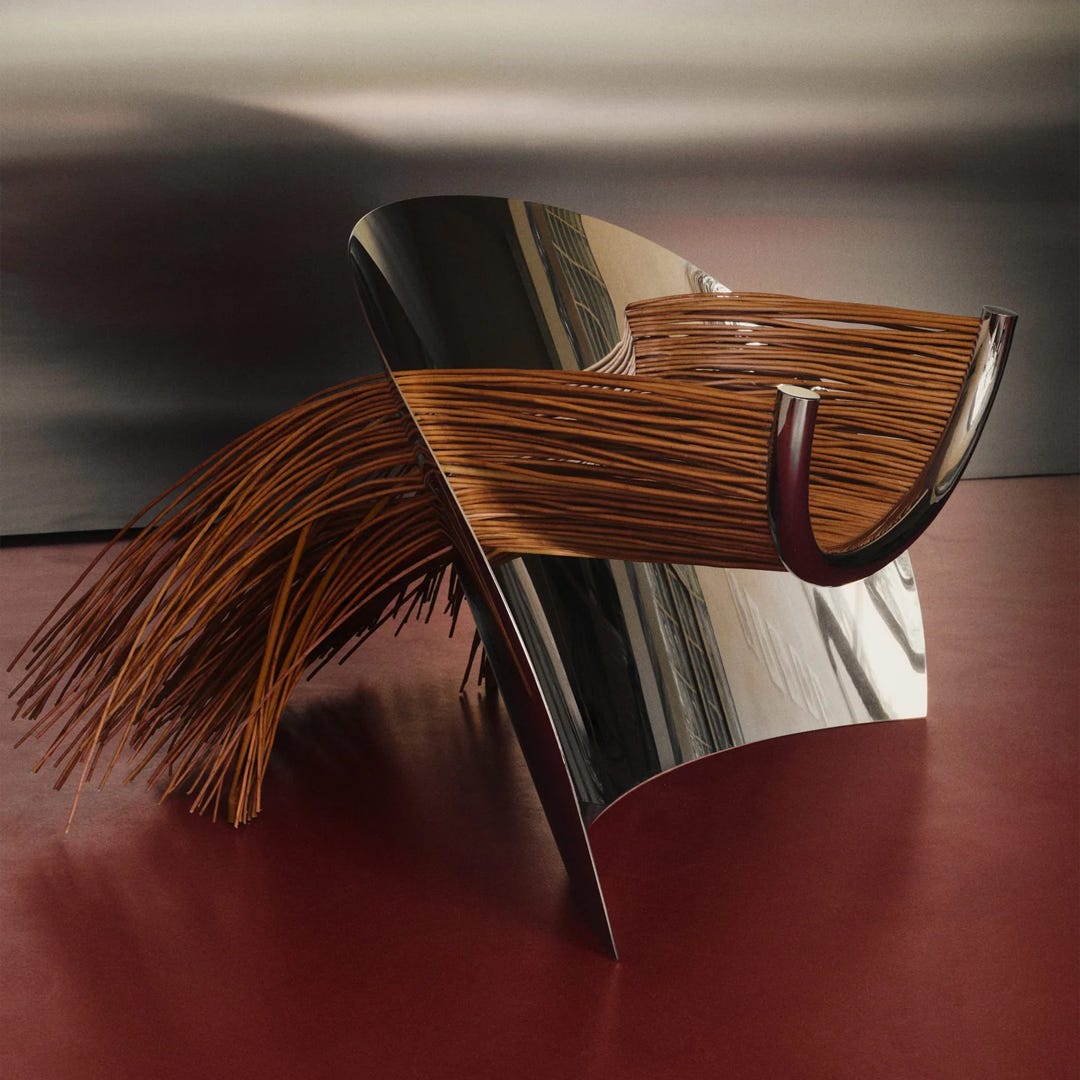
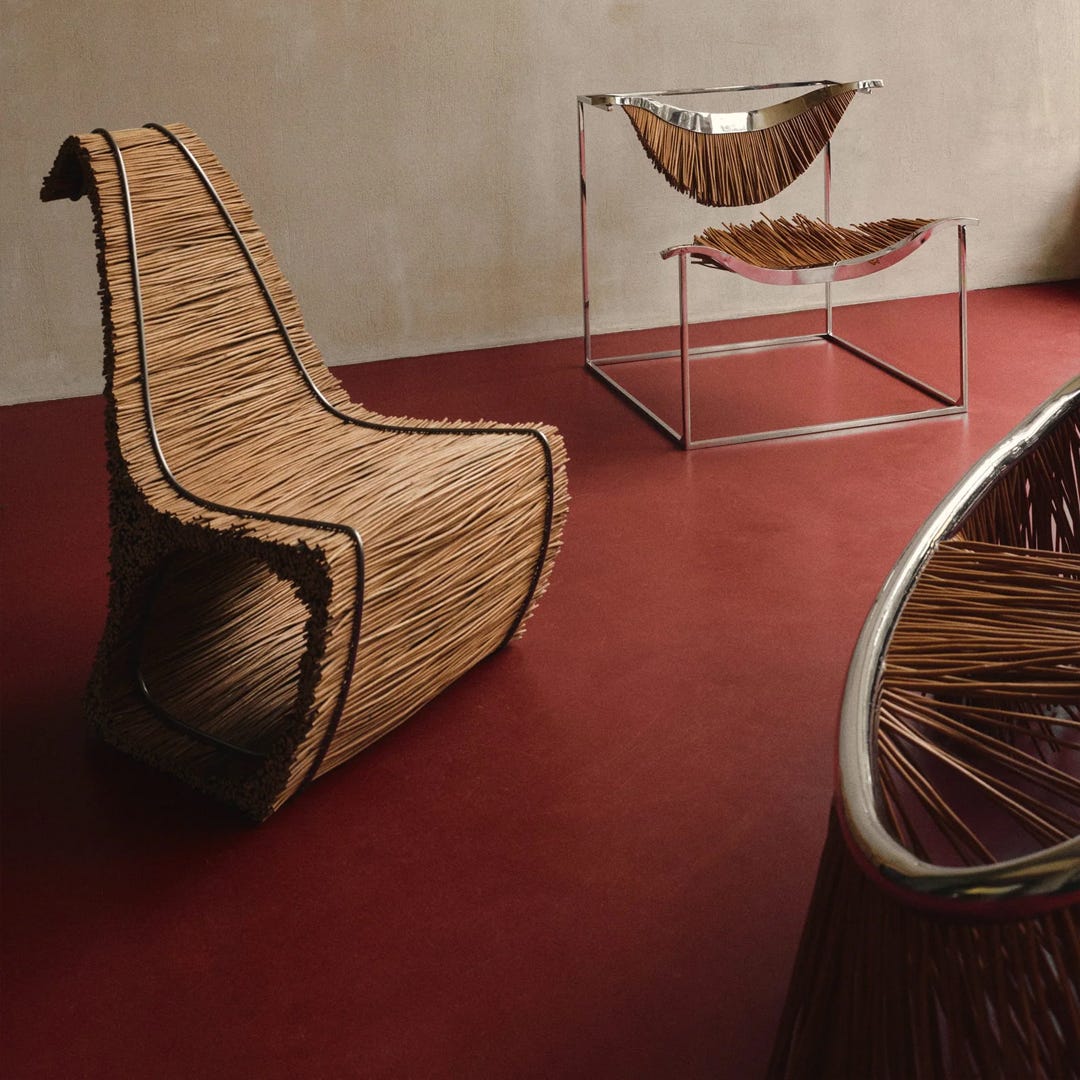
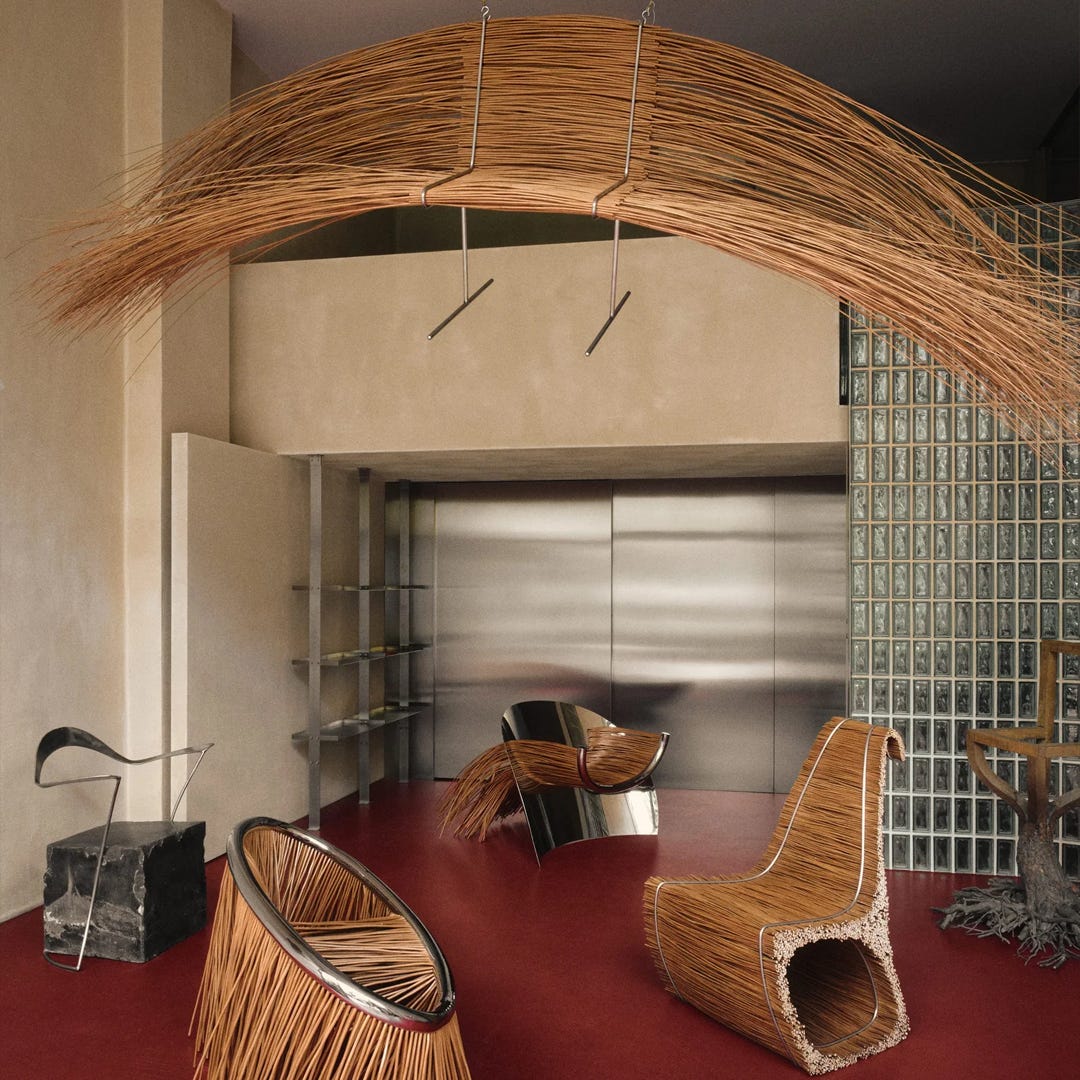
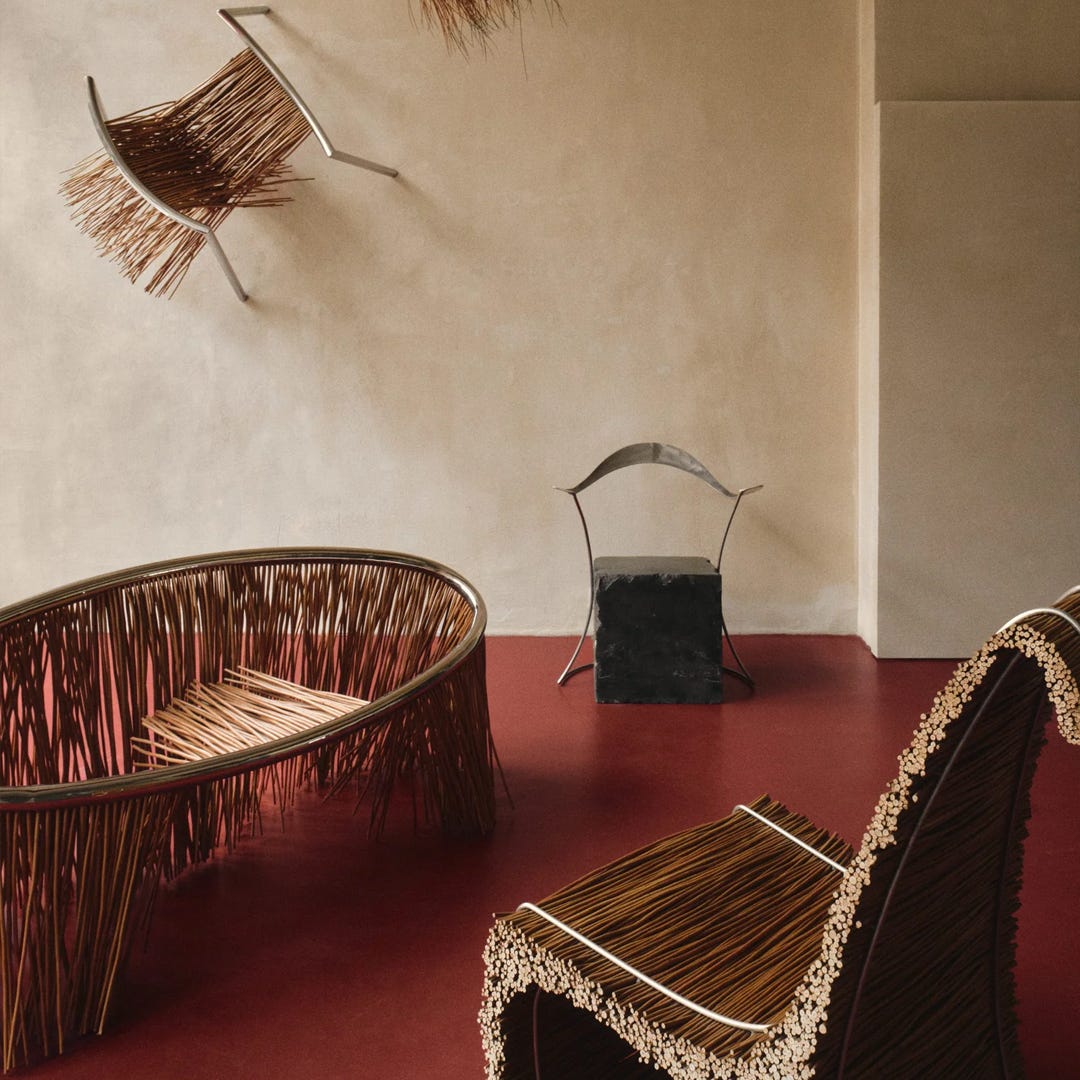
Unlike traditional craftsmen, he was more interested in setting the material free than to weave it into pre-destined shapes. Metal frames appear to catch strands of wicker as they grow, creating adventurous-looking chairs that celebrate the freedom of the material.
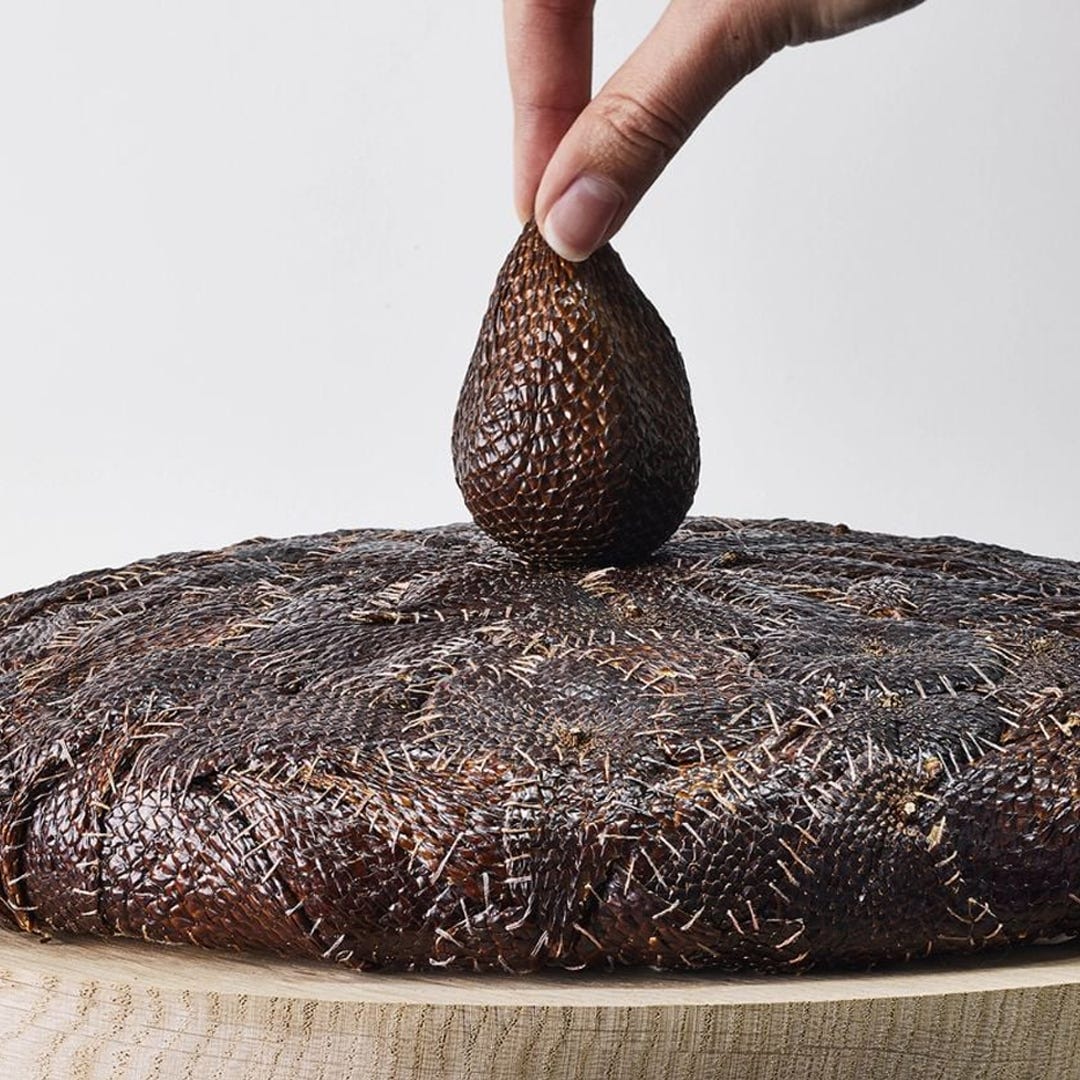
If luffa and wicker are not exotic enough, what about snake fruits and lychees? Both are delicious and native to Indonesia, where their succulent flesh is consumed in vast quantities, leaving equally vast quantities of discarded shells to waste. Designers Anthony Guevara and Nefeli Vitoraki pioneered a process of drying, stitching and treating the shells to create a (more of less) pliable material which can be used to upholster chairs and make handbags with.
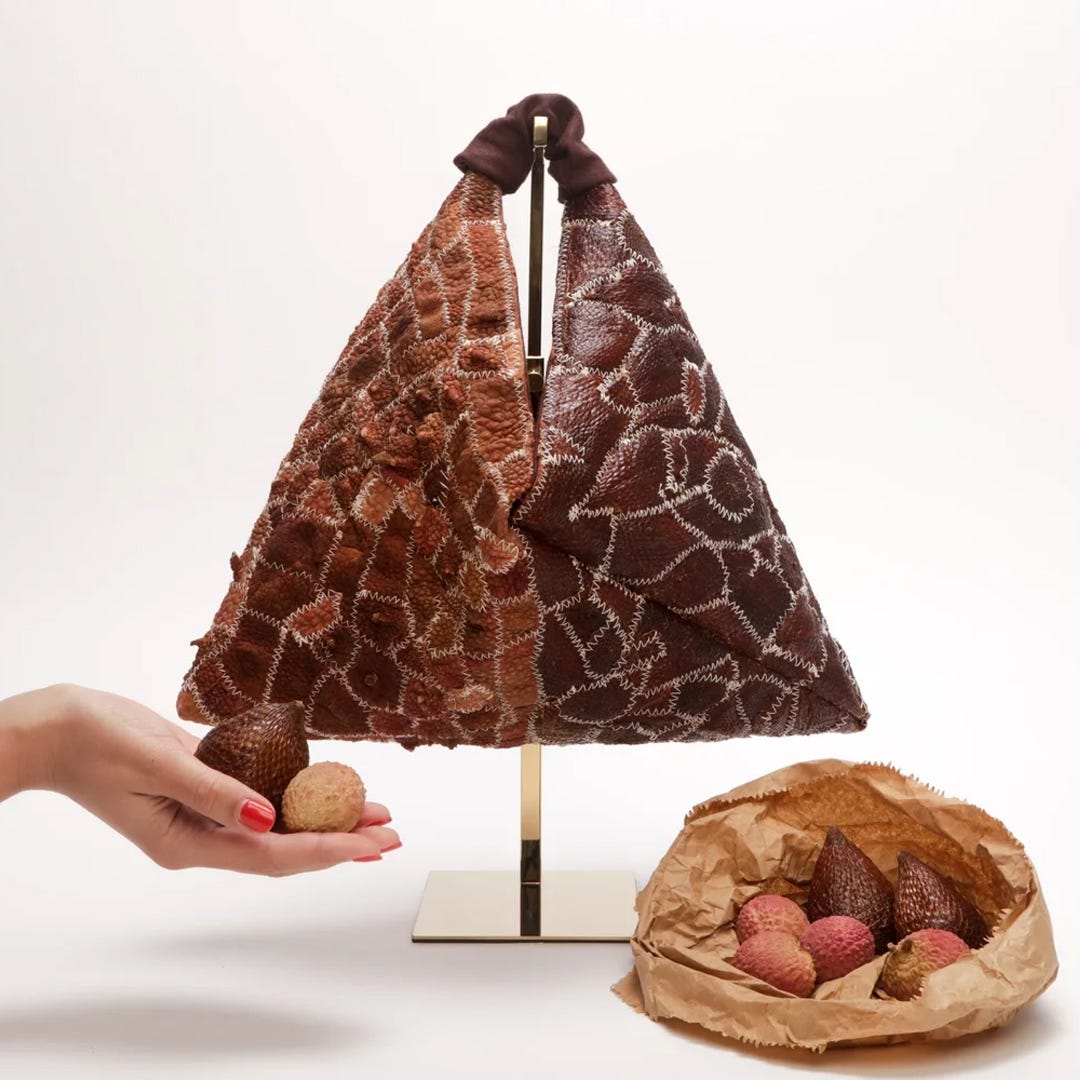
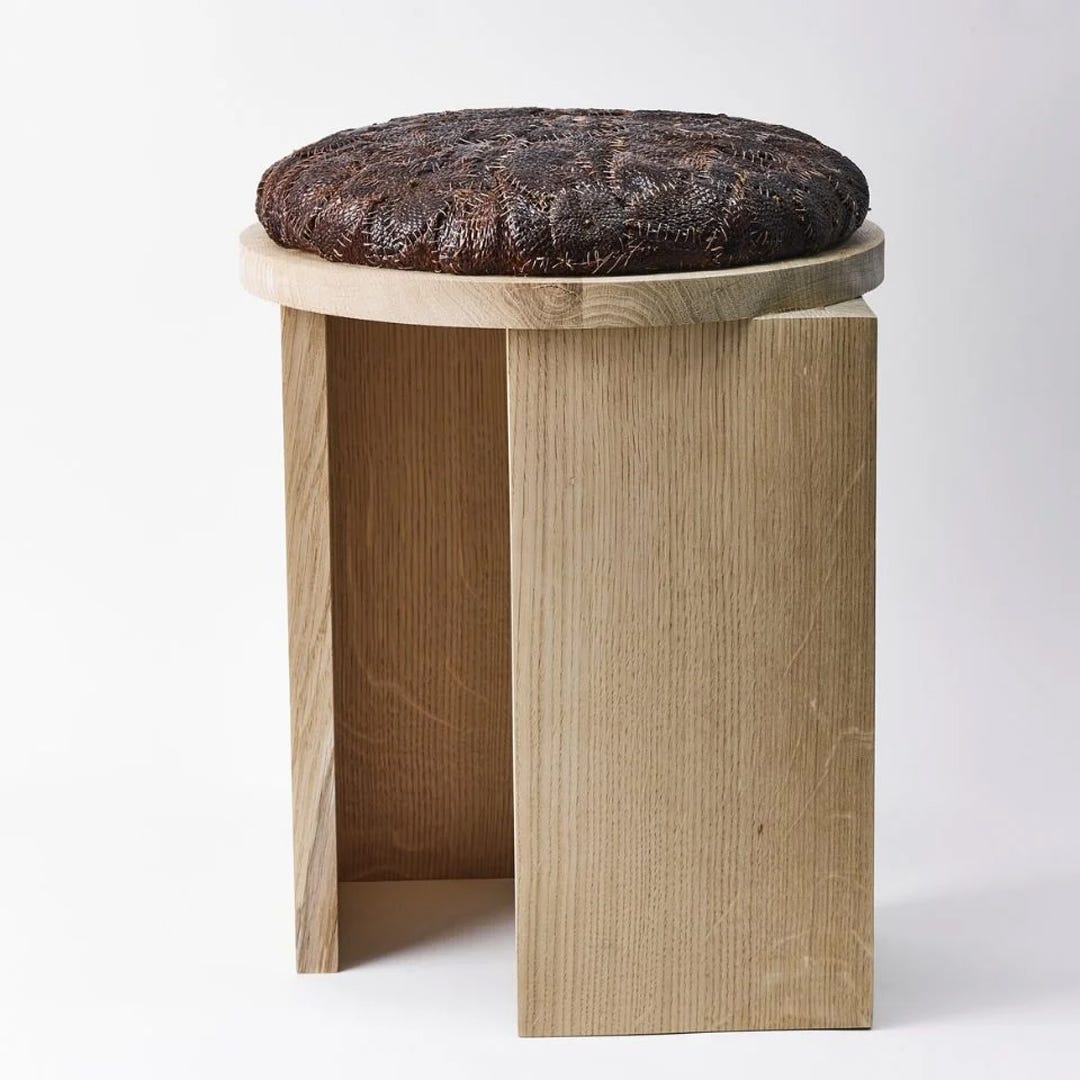
The scaly appearance of the shells and clearly visible stitching give the PEEL stool and bag a rather primeval appearance, as if ancient cave-people had tried to create garments by stitching small insect shells together. Like the luffa lamp and the wicker chairs, the project celebrates the form and texture of the fruit peels instead of manipulating them into a homogenous material that pretends to be leather or textile. As a society, we should laud such attempts to push the boundaries of recycling, though I think we’d have to be pretty desperate to consider making garments with fruit peels.
Danish artist Karl Monies has the same philosophy but takes the opposite approach, using sheets of metal to create lamps in the shape of mushrooms.
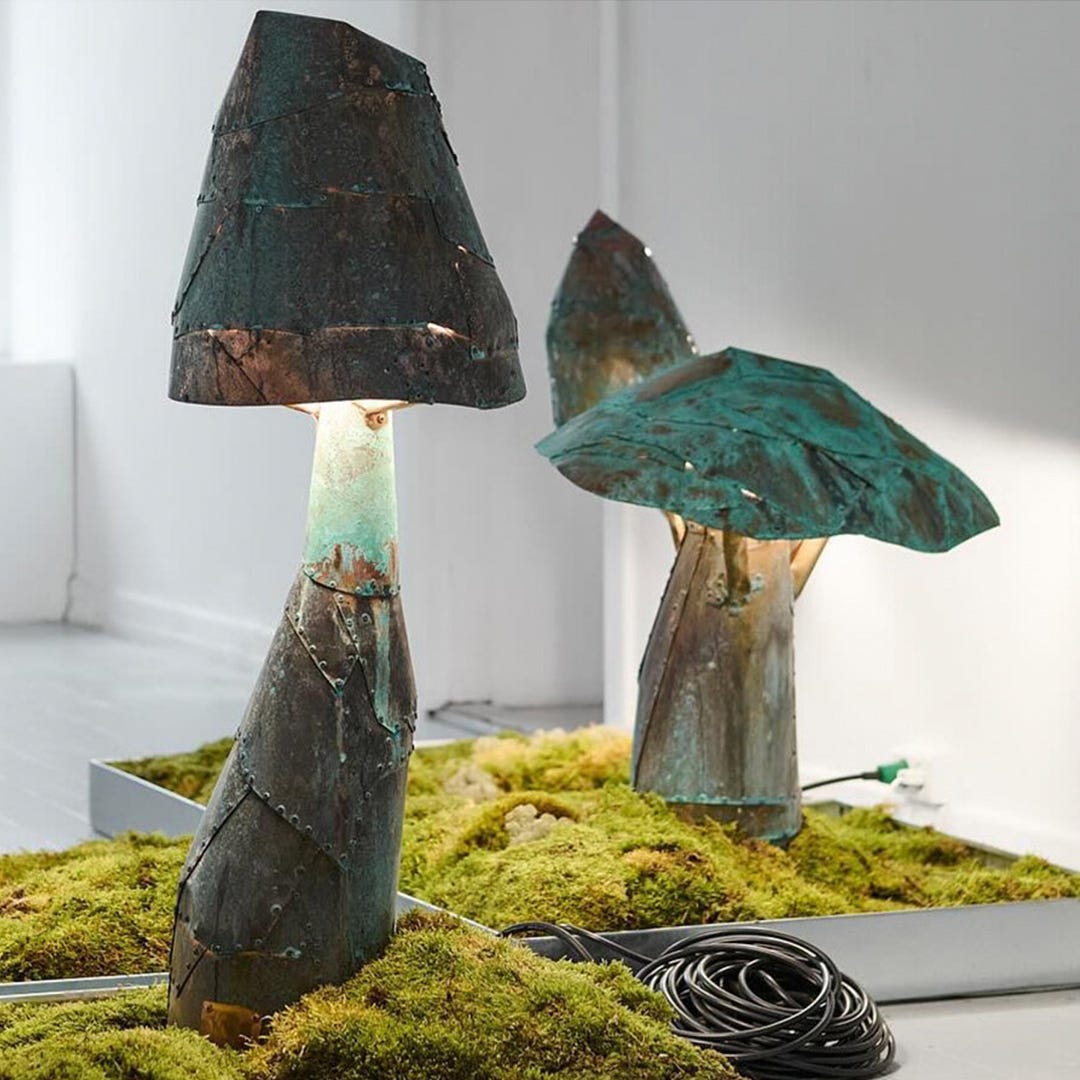
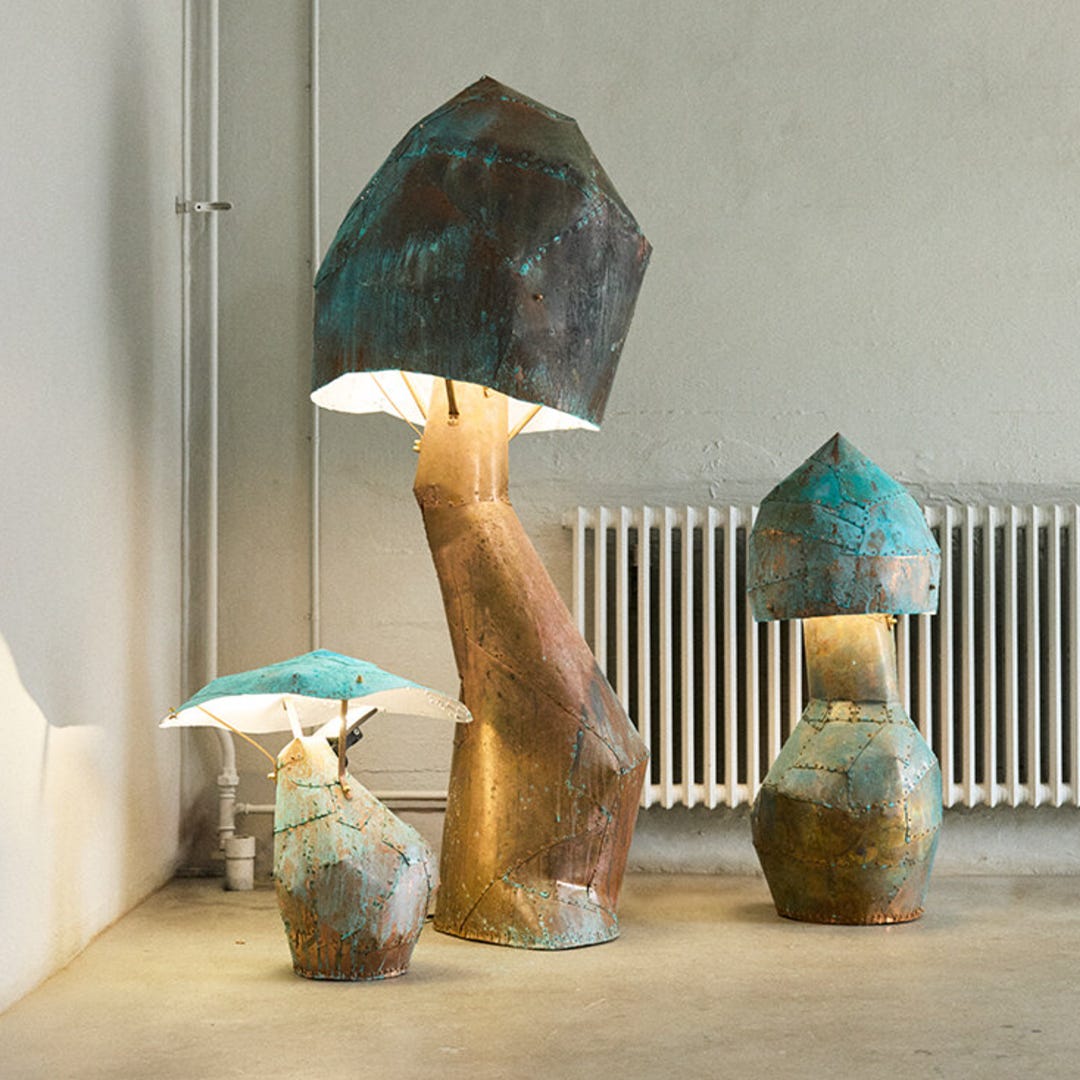
The joints and rivets between the sheets are on proud display, evidence of the craftsmanship which went into making the lamps; whilst the natural patination of the metal itself lends the light an almost organic finish. An industrial material, possibly from waste, transformed into organic shapes whilst celebrating the beauty of the material itself, all thanks to the magic of craftsmanship.
For more beautiful objects made with beautiful materials, come visit us at www.do-shop.com.
Absolutely fascinating.
And in a world where even a humble banana can become a valuable work of art ... everything is possible !
https://youtu.be/ggSVPIsIOOg